
1. Single Point of Contact and Accountability
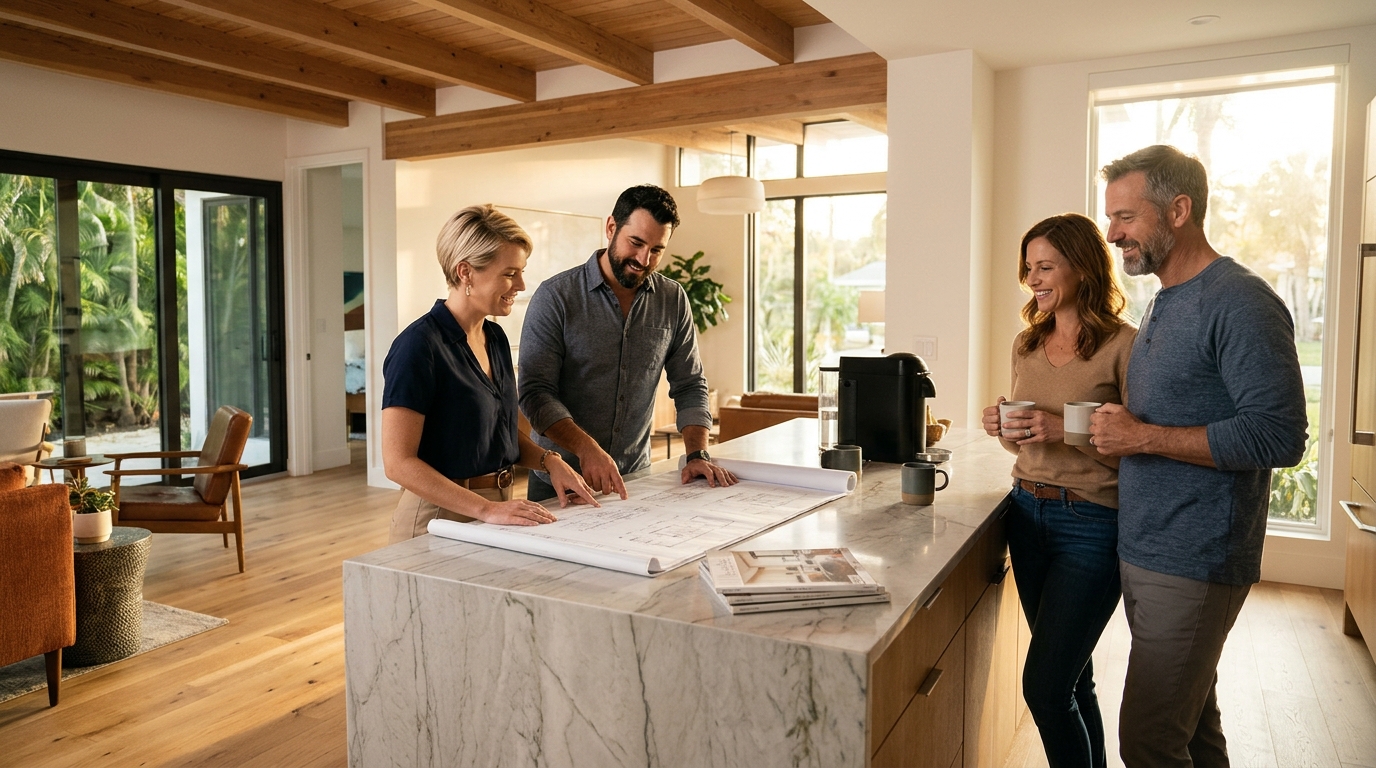
One team owns the entire project lifecycle, eliminating the blame game between designers and builders. In a traditional setup, the architect and the contractor often work separately, leading to gaps in responsibility. With a design-build firm like Vertical Custom Homes, the same team handles both the creative and construction phases. This structure ensures that if an issue arises, there is one clear entity accountable for the resolution. It simplifies your daily interactions and keeps the project moving forward without bureaucratic delays. For additional details, review the Frequently Asked Questions.
2. Early Contractor Involvement in Design
Builders review plans during the design phase to identify potential construction challenges before they become costly errors. When construction experts are involved from the start, they can advise on material availability and structural feasibility. This proactive input prevents the common scenario where a beautiful design is unbuildable or requires expensive changes later. It ensures that the final aesthetic is both stunning and structurally sound, saving time and resources during the actual build. For additional details, review the About.
3. Cost Certainty and Budget Control
Integrated planning allows for more accurate budgeting and reduces the risk of unexpected cost overruns. Because the design and construction teams collaborate closely, they can make real-time adjustments to materials and methods to stay within budget. This transparency helps homeowners make informed decisions about where to invest in luxury finishes and where to streamline processes. It provides a clearer financial roadmap compared to the often unpredictable nature of separate bidding processes.
4. Faster Project Timelines
Overlapping design and pre-construction phases significantly reduces the total time from concept to completion. Traditional methods require waiting for a complete set of plans before a contractor can even begin estimating. In a design-build model, procurement and site preparation can begin while final design details are being refined. This parallel workflow accelerates the overall schedule, allowing you to enjoy your renovated home sooner.
5. Enhanced Communication and Collaboration
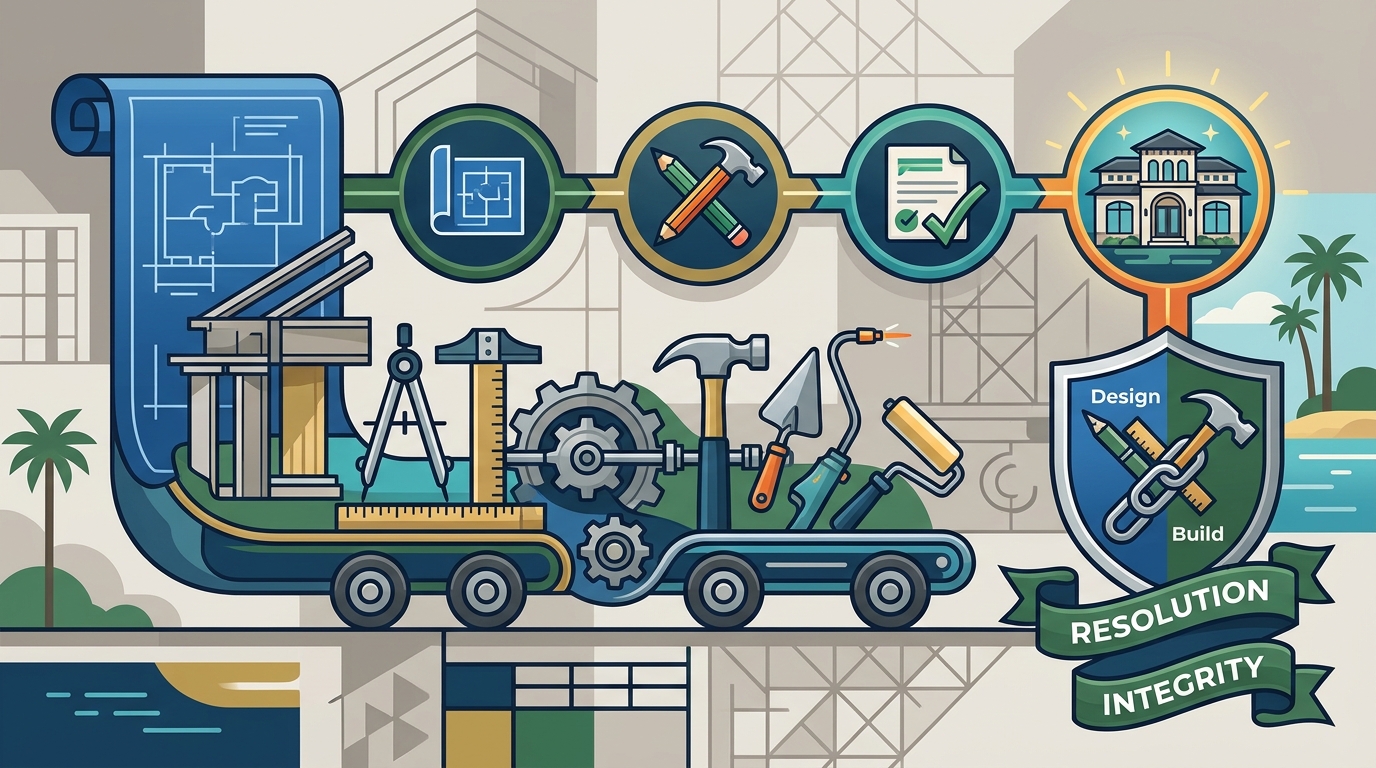
A unified team fosters a collaborative environment where the homeowner's vision is consistently understood and executed. There is no translation barrier between the architect's intent and the builder's execution. This direct line of communication ensures that your preferences and feedback are integrated seamlessly into the project. It creates a partnership dynamic rather than a transactional one, leading to a more satisfying and less stressful remodeling experience.
6. Innovation and Problem Solving
7. Streamlined Documentation and Permits
One team manages all technical documentation and permit applications, reducing administrative burden. Navigating local building codes and permit requirements can be complex and time-consuming. A design-build firm handles this entire process, ensuring that all plans meet regulatory standards. This efficiency saves the homeowner from dealing with multiple vendors and government agencies, keeping the focus on the creative and construction aspects of the project.
Choosing the Right Approach
Frequently Asked Questions
What is the main difference between design-build and traditional contracting?
Is design-build more expensive than traditional methods?
Not necessarily. While the upfront cost may be similar, the efficiency and reduced risk of change orders often result in better overall value and cost control.
Can I change my mind during the design phase?
Yes, the collaborative nature of design-build makes it easier to incorporate changes during the design phase, as the construction team can immediately assess the impact on budget and timeline.
Who is responsible for errors in the design-build process?
The single design-build firm is responsible for both design and construction errors, providing a clear point of accountability for the homeowner.
Does design-build work for small renovations?
While it is most beneficial for large, complex projects like whole-house remodels, it can also be effective for smaller projects that require significant design integration.
How does Vertical Custom Homes handle the design-build process?
Vertical Custom Homes integrates its design and construction teams to provide a seamless experience, ensuring that the creative vision is executed with precision and care. Learn more: verticalcustomhomes com.