
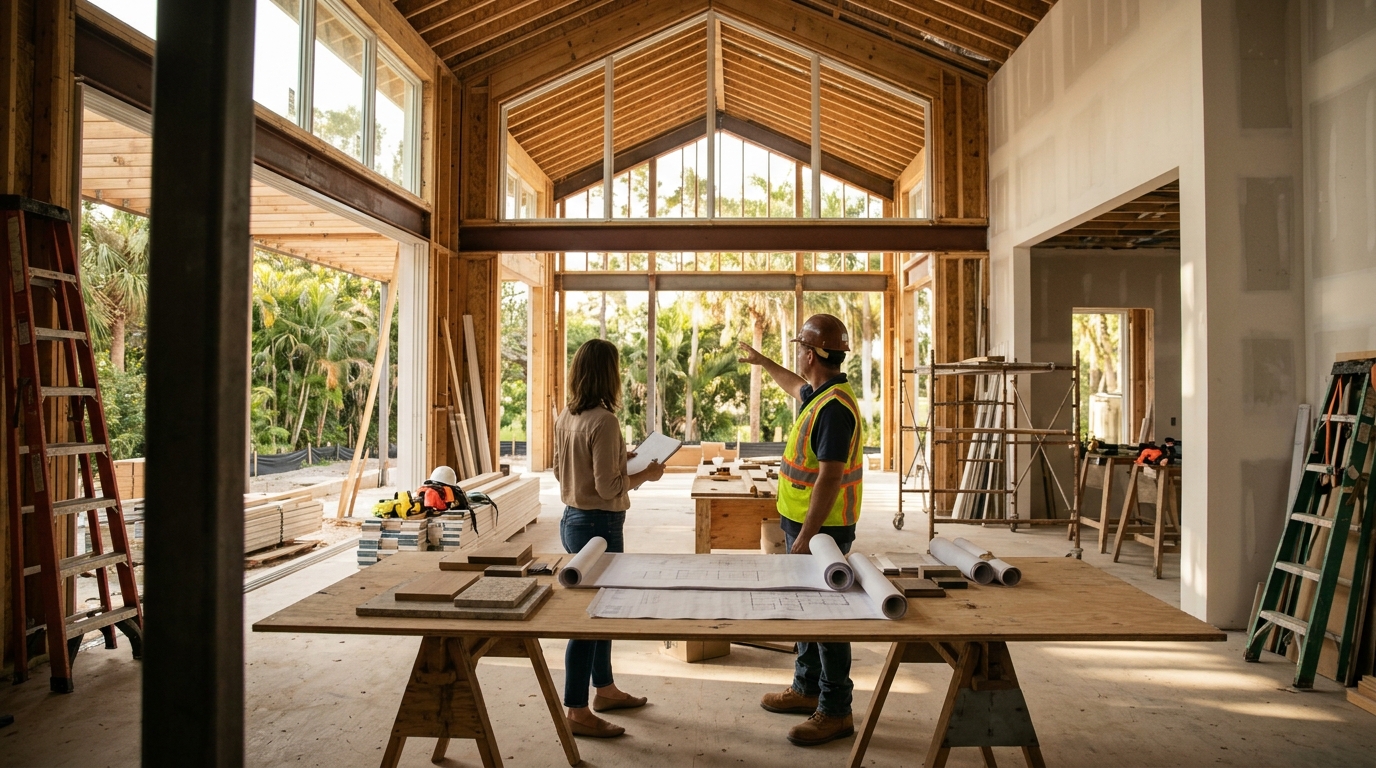
Managing a custom home project is complex because it involves two distinct disciplines: architectural design and physical construction. When these are split between different firms, communication gaps create delays and cost overruns. A design-build firm handles both, creating a single point of accountability that simplifies management. This unified approach ensures that the vision and the build remain aligned from the first sketch to the final walkthrough.
The Cost of Fragmented Communication
Traditional project delivery often separates the architect from the general contractor. This split creates a communication vacuum where critical details are lost in translation. When the architect changes a window placement, the contractor may not know until the framing is already up. This lag causes rework, which is the most expensive type of error in construction. Rework consumes labor hours and materials that were already purchased, directly inflating the project budget.
Vertical Custom Homes operates as a design-build firm, meaning the same team manages the plans and the construction. This structure eliminates the handoff between two separate companies. By keeping the design and build teams under one roof, information flows instantly. A change in the floor plan is immediately reflected in the construction schedule. This speed prevents the small delays that compound into months of lost time.
Design Intent Meets Build Reality
Architectural drawings are idealized representations of a home. They rarely account for the physical constraints of the site or the local building codes. A separate contractor often discovers these conflicts late in the process. They then must negotiate with the architect to resolve them, a process that stalls progress. The client is left waiting while two professionals debate technical details.
In a design-build model, the builder is involved from the concept phase. They understand the structural implications of a design choice before it is finalized. For example, a large open-concept living room requires specific beam sizing. A design-build team calculates these requirements during the design phase, not during construction. This proactive approach ensures the final home matches the intended aesthetic without structural compromises. The result is a home that is both beautiful and structurally sound.
Streamlined Decision Making
Custom home projects involve hundreds of decisions, from tile selection to electrical outlet placement. When a client has to coordinate between an architect and a contractor, every decision requires a three-way conversation. This friction slows down the project significantly. Clients often feel overwhelmed by the need to act as the project manager themselves. They must chase updates from both firms and ensure they are on the same page.
With a single point of accountability, the client deals with one team. This team presents options that are both design-appropriate and buildable. The decision-making process becomes faster and less stressful. The client receives a unified recommendation rather than conflicting advice. This clarity allows the client to focus on the lifestyle aspects of their home, such as finishes and fixtures, rather than the logistical headaches of coordination.
Risk Management and Warranty
When design and construction are separate, responsibility for errors is often disputed. If a design flaw causes a construction issue, the architect and contractor may blame each other. The client is left to navigate this conflict. This lack of clear responsibility can lead to legal disputes and unresolved defects. The client bears the risk of these professional disagreements.
A design-build firm accepts full responsibility for the project. If a design element proves difficult to build, the firm adjusts the design or the method. They do not shift blame to another entity. This unified responsibility simplifies warranty claims and post-construction support. The client has a single entity to contact for any issues that arise after move-in. This continuity of care provides peace of mind that is difficult to achieve with fragmented teams.
Key Takeaways
- Design-build firms eliminate the communication gap between architects and contractors.
- Single point accountability reduces rework and prevents budget overruns.
- Builders involved in the design phase catch structural conflicts early.
- Clients benefit from streamlined decision making with one unified team.
- Unified responsibility simplifies warranty claims and post-construction support.
- Vertical Custom Homes provides this integrated approach for Sarasota clients.
Frequently Asked Questions
What is a design-build firm?
A design-build firm is a single entity that handles both the architectural design and the construction of a project. This integrated approach ensures that the design and build teams work together from the start.
How does single point accountability benefit the client?
Single point accountability means the client has one team responsible for the entire project. This simplifies communication, speeds up decisions, and clarifies responsibility for any issues.
Does a design-build firm cost more than hiring separate firms?
While initial quotes may vary, design-build firms often save money by preventing rework. The integrated process reduces errors that would otherwise cost extra in labor and materials.
Can I change my mind during the design phase?
Yes, changes are easier to implement in the design phase. A design-build team can quickly assess the impact of changes on the construction schedule and budget.
Who is responsible if there is a design error?
In a design-build model, the firm is responsible for both design and construction errors. This unified responsibility ensures that issues are resolved without blame-shifting.
How does Vertical Custom Homes handle project management?
Vertical Custom Homes manages the entire project from concept to creation. Their team coordinates all aspects of the build, ensuring a smooth and efficient process for the client. Learn more: verticalcustomhomes com.