
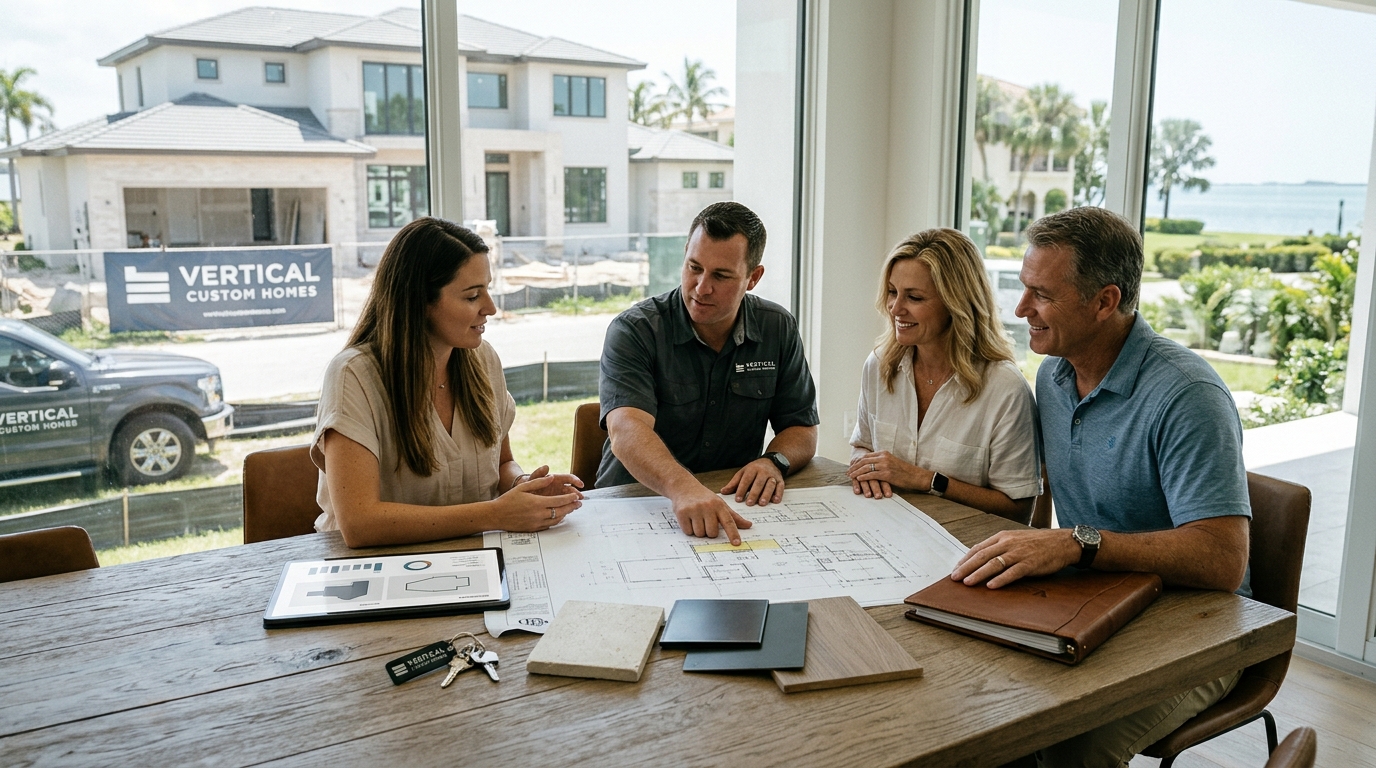
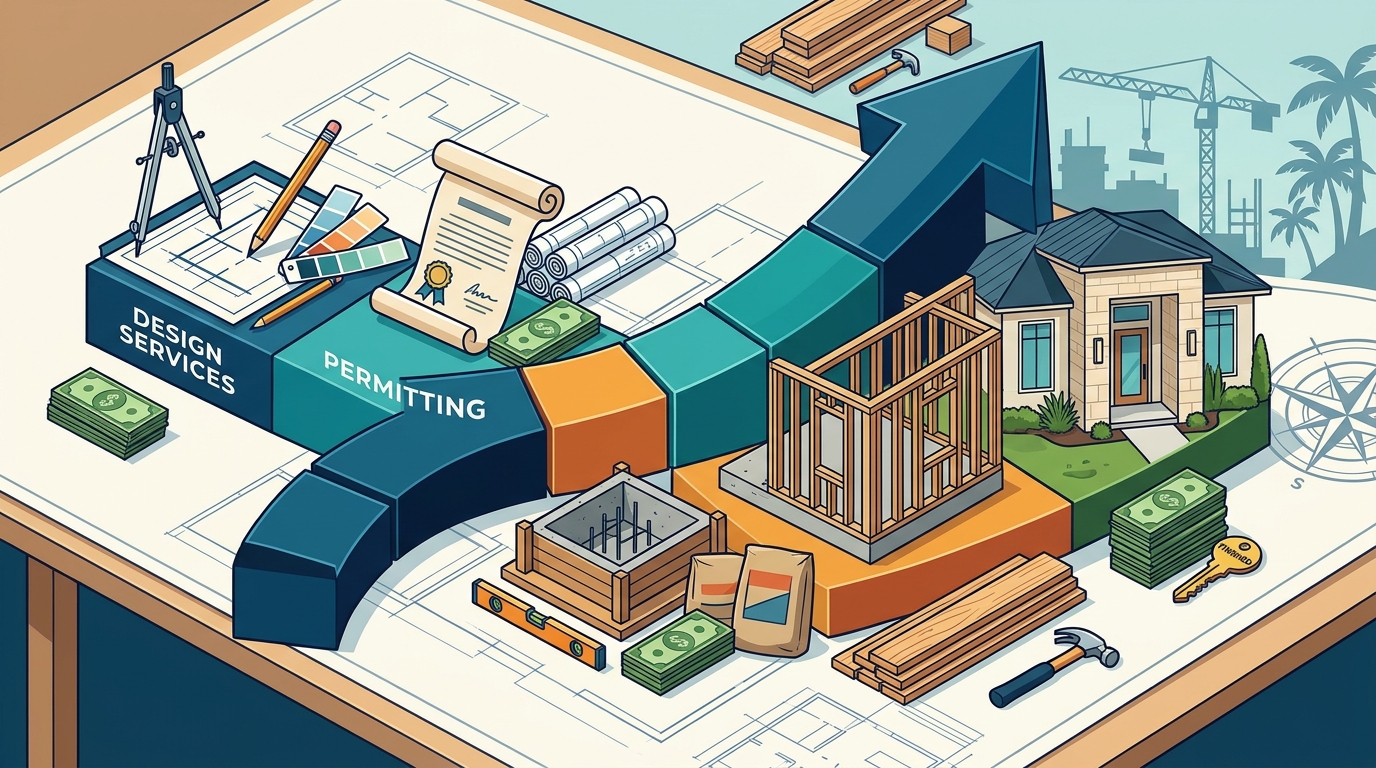
Design-build is a project delivery method where a single entity manages both the design and construction of a building. In this model, payment is typically structured in distinct phases rather than a single upfront lump sum. Homeowners usually pay for design services, permitting, and construction milestones as the project progresses. This phased approach aligns financial outlays with tangible progress, reducing risk for clients in Sarasota and Manatee County.
The Pre-Design and Conceptual Phase
The journey begins with the pre-design phase, which is the initial stage where the client and the design team define the project scope. During this period, the team gathers information about the site, budget parameters, and the client's lifestyle needs. The primary goal is to establish a clear vision before any technical drawings are produced. Vertical Custom Homes emphasizes that this stage is critical for setting realistic expectations. It ensures that the architectural intent is technically feasible and financially viable from the start. For additional details, review the verticalcustomhomes com.
Payment for this phase is generally a fixed fee or a retainer. This covers the time spent by architects, engineers, and project managers in developing the initial concept. Because the scope of work is defined by hours or a flat rate, the cost is predictable. Clients should expect to pay for this phase before moving to the next stage. This initial investment secures the expertise needed to navigate local zoning laws and site constraints. For additional details, review the .
Design Development and Construction Documents
Once the concept is approved, the project moves into the design development phase. This is where the general idea is refined into specific details. The team selects materials, defines structural systems, and creates detailed floor plans. The Construction Documents phase builds upon this work by producing the final plans, drawings, and specifications needed to price and build the project, as noted by the University of Texas System. These documents are essential for obtaining permits and securing contractor bids. For additional details, review the Customer Experience.
Financially, this phase is often billed as a percentage of the total construction cost or as a fixed design fee. The payment is usually due in installments as the design matures from schematic to final. For example, a client might pay a portion when the schematic design is approved and the remainder when the construction documents are complete. This structure ensures that the design team is compensated for the detailed work required to meet building codes and client preferences. according to The Construction Documents
Permitting and Pre-Construction
After the design is finalized, the project enters the permitting and pre-construction phase. This stage involves submitting the construction documents to local authorities for review and approval. In coastal areas like Sarasota, this process can be complex due to hurricane resilience requirements and environmental regulations. The design-build team manages this process, ensuring that all submissions meet the specific requirements of the local building department.
Payment for this phase typically covers the administrative work of preparing and submitting permit applications. It may also include the cost of engineering reviews and soil testing. These costs are usually billed as a flat fee or as part of the overall design fee. It is important for homeowners to understand that permit fees charged by the municipality are separate from the builder's service fees. The builder's role is to expedite this process, minimizing delays before construction can begin.
Construction and Milestone Payments
The construction phase is where the physical building takes shape. In a design-build model, the builder manages the site, subcontractors, and materials. Payment during this phase is typically structured around milestones. These milestones are tied to specific stages of construction, such as foundation completion, framing, and roofing. This method ensures that the client only pays for work that has been completed and inspected.
For high-end custom homes, milestone payments provide a clear link between financial outlay and project progress. The builder may use a Cost-Plus with a Guaranteed Maximum Price (GMP) model. In this arrangement, the homeowner pays for the actual cost of materials and labor, plus a fixed fee for the builder's overhead and profit. The GMP acts as a safety net, protecting the client from unexpected cost overruns. This model is often preferred for its transparency and alignment of incentives between the builder and the client.
Final Walkthrough and Closeout
The final phase of the project is the walkthrough and closeout. This is where the client and the builder inspect the completed home together. Any punch list items, which are minor defects or incomplete tasks, are identified and addressed. The builder ensures that all systems are functioning correctly and that the home meets the quality standards agreed upon in the contract. This phase is crucial for ensuring client satisfaction and a smooth transition to homeownership.
Payment for the final phase is usually the last installment of the construction contract. It is released after the punch list is completed and all final inspections are passed. The builder may also provide a warranty period, during which they address any issues that arise after the client moves in. This final payment closes the financial relationship between the client and the builder, leaving the client with a fully realized custom home.
Key Takeaways
- Design-build projects are divided into distinct phases, each with its own payment structure.
- The pre-design phase is typically paid as a fixed fee or retainer.
- Design development and construction documents are often billed as a percentage of construction cost. according to Design Professionals Project
- Permitting and pre-construction costs cover administrative and engineering work.
- Construction payments are usually tied to milestones, such as foundation and framing completion.
- A Guaranteed Maximum Price (GMP) can protect clients from cost overruns during construction.
- The final payment is released after the walkthrough and punch list completion.
Frequently Asked Questions
What is the difference between design-build and traditional contracting?
Design-build is a project delivery method where one entity handles both the design and construction phases. In traditional contracting, the architect and builder are separate entities, which can lead to conflicts and delays. The design-build model offers a single point of responsibility, streamlining communication and decision-making.
When do I pay for the design phase?
Payment for the design phase is typically due in installments as the design matures. You may pay a portion when the schematic design is approved and the remainder when the construction documents are complete. This structure ensures that the design team is compensated for the detailed work required to meet building codes and client preferences.
How are construction payments structured?
Construction payments are usually structured around milestones. These milestones are tied to specific stages of construction, such as foundation completion, framing, and roofing. This method ensures that the client only pays for work that has been completed and inspected.
What is a Guaranteed Maximum Price (GMP)?
A Guaranteed Maximum Price is a clause in a construction contract that sets a ceiling on the total cost of the project. If the project costs less than the GMP, the savings are typically shared between the homeowner and the builder. If it costs more, the builder absorbs the overage. This aligns the builder's incentives with the client's budget.
How long does the permitting process take?
The duration of the permitting process varies depending on the complexity of the project and the local building department. In coastal areas like Sarasota, the process can take several weeks to a few months. The design-build team manages this process, ensuring that all submissions meet the specific requirements of the local building department.
What happens if I want to make changes during construction?
Changes during construction are handled through change orders. These are formal documents that outline the scope, cost, and timeline impact of the change. In a design-build model, the builder and client work together to evaluate the change and its implications. This collaborative approach helps to minimize disruptions to the project schedule and budget.
Start Your Design-Build Journey
Understanding the phases of a design-build project and the associated payment timing is essential for a successful custom home build. By working with a trusted partner, you can navigate this process with confidence and clarity. Vertical Custom Homes offers concept-to-creation services that guide you through every step, from initial concept to final walkthrough. To plan your visit, to discuss your project goals and budget.