
How to Ensure Your Custom Home Design Fits Your Specific Lifestyle
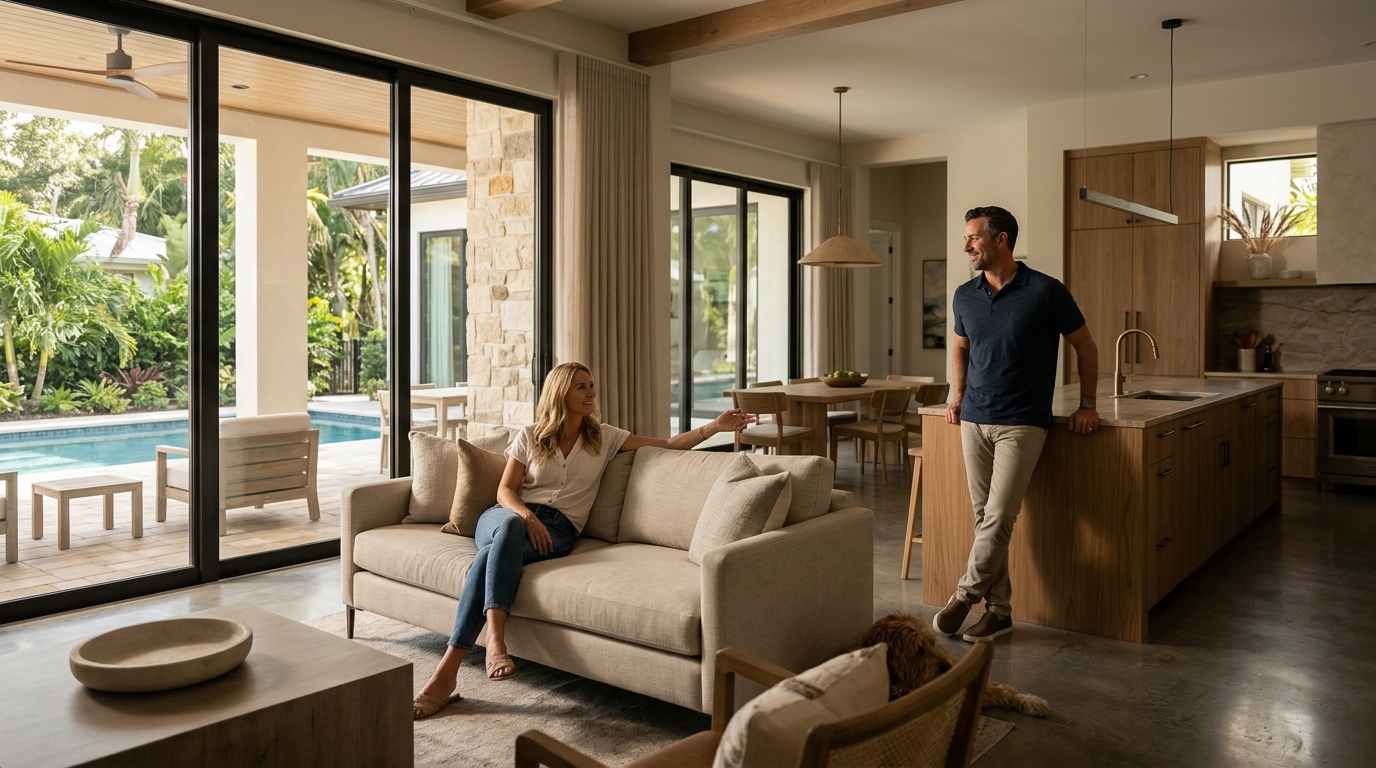
Building a custom home is one of the most personal investments you will ever make. Unlike buying a production home, a custom build gives you the power to shape every room, hallway, and outdoor space around the way you actually live. But that freedom can feel overwhelming without a clear process. This guide walks you through the practical steps to align your home design with your daily routines, future plans, and personal preferences so every square foot earns its place in your life.
Define Your Lifestyle Before You Draw a Floor Plan
A lifestyle assessment is a structured review of how you spend time at home, including work habits, entertaining frequency, hobbies, and mobility needs. Before a single line is drawn, sit down with everyone who will live in the home and document these patterns.
Ask questions like: Do you work from home full-time? Do you host large gatherings or prefer intimate dinners? Do you need a home gym, art studio, or dedicated guest suite? According to the National Association of Home Builders, a dedicated home office ranked among the most desired features in new homes in recent surveys. Capturing these priorities early prevents costly change orders later.
Map Your Daily Routines to Room Functions
Once you know your lifestyle priorities, translate them into spatial requirements. A room-by-room mapping exercise connects the way you live to the spaces you need.
Morning and Evening Flow
Think about how your household moves through a typical morning. If two adults leave for work at the same time, dual vanities and a walk-in closet with separate zones reduce friction. If children need supervision during breakfast, an open kitchen with sight lines to a play area is essential.
Entertaining vs. Privacy Zones
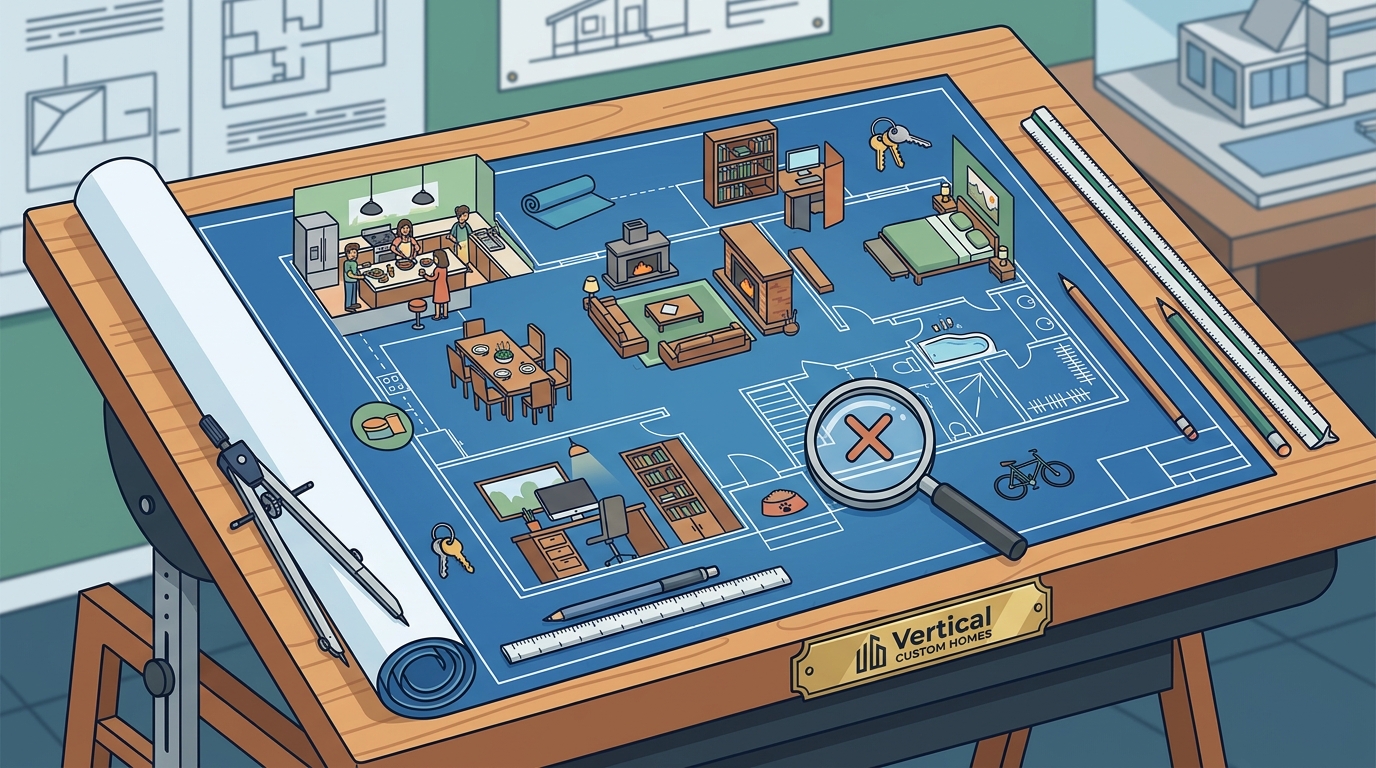
Great custom design separates public and private areas with intention. Consider placing guest bedrooms and entertainment spaces on one side of the home while keeping the primary suite on the opposite wing. Vertical Custom Homes offers lifestyle-driven floor plans that already account for this kind of zoning.
| Lifestyle Need | Design Solution | Key Room or Feature |
|---|---|---|
| Work from home daily | Dedicated office with sound insulation | Home office with separate HVAC zone |
| Frequent entertaining | Open great room flowing to outdoor lanai | Great room, outdoor kitchen |
| Aging in place | Single-story primary suite, wider doorways | ADA-friendly primary bath |
| Young children | Open sight lines, bonus playroom | Kitchen island facing family area |
| Fitness enthusiast | Home gym with rubber flooring and ventilation | Flex room or garage conversion |
| Art or music hobby | Acoustically treated studio space | Bonus room with natural light |
Future-Proof Your Design
Future-proofing is the practice of designing spaces that can adapt as your family size, career, or physical abilities change over time. A home that fits your life today but not five years from now was not truly custom.
Plan bonus rooms that can shift from a nursery to a study to a guest suite. Wider hallways and reinforced bathroom walls make later accessibility upgrades simpler. Learn more about adaptable layouts in our guide on how to design a home that grows with your family.
Universal Design Principles
Universal design is an architectural philosophy that creates spaces usable by people of all ages and abilities without the need for adaptation. Zero-step entries, lever-style door handles, and curbless showers are simple features that add long-term value. The AARP Livable Communities initiative recommends incorporating at least three universal design elements in every new build.
Choose a Design+Build Approach for Alignment
A Design+Build model is a project delivery method where one entity manages both the architectural design and construction under a single contract. This structure keeps your lifestyle goals connected to every construction decision.
When architects and builders work separately, lifestyle intentions can get lost in translation between firms. Under a Design+Build framework, the architect, interior designer, structural engineer, and general contractor collaborate from day one. Vertical Custom Homes calls this their Concept-to-Creation process, and it means your priorities stay front and center from the first sketch through final walkthrough.
The Design-Build Institute of America reports that design-build projects experience fewer change orders and faster delivery compared to traditional design-bid-build. Fewer surprises means a home that matches the vision you started with.
Integrate Indoor-Outdoor Living
In Sarasota, where the climate supports year-round outdoor use, blurring the line between inside and outside is one of the most lifestyle-enhancing moves you can make. Retractable glass walls, covered lanais with full outdoor kitchens, and pool-adjacent lounge areas extend your usable living space dramatically.
Explore how thoughtful outdoor design can elevate daily life in our post on indoor-outdoor living for year-round entertaining. Orient your home to capture Gulf breezes and frame sunset views. These decisions are best made early, during site planning, which is another reason the collaborative approach matters.
Build Smart Technology Into the Blueprint
Smart home technology is the integration of automated systems for lighting, climate, security, and entertainment that can be controlled remotely. Retrofitting these systems after construction is expensive and disruptive, so plan wiring and infrastructure during the design phase.
Consider whole-home audio, motorized shades tied to sunrise schedules, and smart HVAC zoning that adjusts room-by-room. Pre-wiring for an EV charger in the garage is increasingly standard for luxury builds. These features should reflect how you live, not just what looks impressive on a spec sheet.
Energy Efficiency and Sustainability
Sarasota homeowners benefit from energy-efficient designs that lower utility costs while supporting the environment. Vertical Custom Homes builds green-certified homes with features like high-performance windows, advanced insulation, and solar-ready roofing. These choices align your home with both your lifestyle and your values.
Key Takeaways
- Start with a lifestyle assessment before selecting floor plans or finishes.
- Map daily routines to specific rooms so every space serves a clear purpose.
- Future-proof your design with flexible bonus rooms and universal design features.
- A Design+Build approach keeps your lifestyle vision connected to construction decisions.
- Indoor-outdoor integration is essential for Sarasota living and extends usable space.
- Plan smart home wiring and energy systems during design, not after construction.
- Collaborate with a builder who involves architects, designers, and engineers from day one.
Frequently Asked Questions
How early should I involve a builder in the custom home design process?
Ideally, involve your builder before you finalize architectural plans. Early collaboration helps align your lifestyle goals with budget realities and constructability. Vertical Custom Homes includes builders, architects, and designers from the very first meeting through their Concept-to-Creation process.
What is a lifestyle assessment for home design?
A lifestyle assessment is a detailed review of how you use your home daily, including work habits, hobbies, entertaining style, and mobility needs. It forms the foundation of a truly personalized floor plan.
Can a custom home be designed for aging in place?
Yes. Features like zero-step entries, curbless showers, wider doorways, and first-floor primary suites make a home comfortable and safe for decades. These elements can be designed to look stylish rather than clinical.
What is the Design+Build model?
Design+Build is a project delivery method where one team handles both design and construction. This reduces miscommunication and keeps your lifestyle priorities at the center of every decision.
How do I balance open floor plans with privacy?
Use intentional zoning. Place public areas like kitchens and great rooms on one side, and private areas like bedrooms and offices on the other. Pocket doors, hallway buffers, and split-wing layouts all help.
Is smart home technology worth the investment in a custom build?
Pre-wiring during construction costs a fraction of retrofitting later. Automated lighting, climate control, and security systems add convenience and long-term resale value.
How does Sarasota's climate affect home design?
Sarasota's warm, humid climate makes indoor-outdoor living, hurricane-rated impact windows, elevated construction, and energy-efficient HVAC systems critical design considerations.
How long does the custom home design process take?
Design timelines typically range from three to six months depending on complexity. A Design+Build model can shorten this because design and pre-construction planning overlap.
Start Designing a Home That Truly Fits Your Life
Your home should work for you, not the other way around. If you are ready to explore how a lifestyle-first approach can shape your custom build in Sarasota, schedule a discovery call with Vertical Custom Homes and take the first step from concept to creation.